Riding Horses Silhouettes Review
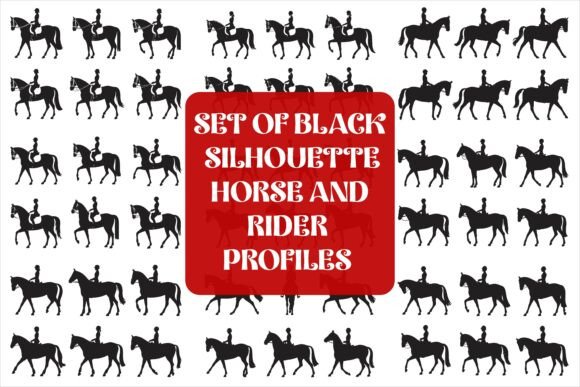
When I’m evaluating a new embroidery file for my own studio or for clients, I don’t just look at the image preview. I think about how it will behave under the needle, how it will hold up after twenty washes, and whether it actually adds value to the final handmade product. That is exactly why I decided to put this Set of Riding Horses Silhouettes with riders in various poses through its paces. As a designer who spends hours tweaking stitch density and selecting thread colors, I need designs that are versatile, clean, and visually striking without requiring excessive digitizing work.
First Impressions: Mood and Visual Personality
The moment you open the files, the mood is immediately clear. These aren’t just generic clip art; they have a distinct western and equestrian flair. The silhouettes capture the dynamic movement of the horse and rider, which gives them a natural energy that works beautifully in embroidery. Because they are vector-based illustrations converted into machine embroidery formats, the lines are crisp. This is crucial for silhouette designs, where the negative space and the outer edge define the entire visual impact.
I found that the variety of poses included in this set allows for different storytelling angles. You can create a balanced, symmetrical logo for a brand, or you can scatter smaller motifs across a garment for a more casual, artistic look. For an Etsy seller or anyone running a craft business, having multiple poses in one purchase means you can offer a wider range of products without buying separate design assets. The black vector style translates well into solid fill stitches, making it a strong candidate for bold, high-contrast branding.
Real-World Application: From Tote Bags to Nursery Decor
Let’s talk about where this design truly shines. I recently used a similar silhouette concept on a custom embroidered tote bag for a client who runs a local riding club. The result was professional and instantly recognizable. When applied to canvas or heavy cotton twill, the fill stitch holds its shape perfectly, creating a durable emblem that doesn’t fray or lose definition.
However, the versatility goes beyond bags. I envision this design working exceptionally well for:
- Sweatshirt Embroidery: Placed over the heart or centered on the back, these silhouettes add a rugged yet elegant touch to fleece or French terry fabrics.
- Baby Embroidery: On soft muslin or cotton blends, a single small horse silhouette makes for a charming personalized gift. It’s subtle enough for daily wear but meaningful enough for a keepsake.
- Kitchen Towels and Aprons: For the home decor market, these designs fit the farmhouse aesthetic perfectly. A row of three different poses along the hem of a tea towel is a classic, timeless look.
- Embroidered Patches: With a proper border or satin stitch edge, these silhouettes make excellent iron-on patches for denim jackets or backpacks.
For digital product sellers, these graphics also serve as excellent base layers for printable mockups. You can layer them over textured backgrounds or combine them with typography to create complete branding kits before ever touching an embroidery machine.
Where to Exercise Caution
No design is perfect for every surface, and being honest about limitations is part of responsible design review. While these silhouettes are robust, there are specific scenarios where you need to be careful.
First, avoid using large versions of this design on stretchy fabric like thin jersey knits without a heavy-duty stabilizer. The weight of the fill stitch can cause the fabric to pucker or distort over time. Similarly, on textured fabrics like bouclé or thick wool, the fine details of the rider’s posture might get lost. In those cases, you want a simpler, bolder outline rather than a detailed fill.
Another area to watch is small hoop sizes. If you are trying to cram a full-sized horse and rider into a tiny 4x4 hoop, you may find that the legs or mane details become too dense or merge together. Always check the stitch density and ensure the smallest elements remain legible. If you are designing for caps or hats, remember that curved surfaces can distort straight lines. You may need to adjust the angle or scale of the design to ensure it sits naturally on the crown of the hat.
Thread Colors and Fabric Contrast
Because these are silhouettes, contrast is your best friend. Black thread on white fabric is classic, but don’t limit yourself. Navy thread on khaki canvas, or burgundy thread on cream linen, can elevate the design from "craft store" to "boutique quality." However, if you choose a dark fabric, you must use light-colored thread, and vice versa. Test your thread colors on scrap fabric first to ensure the eye can easily distinguish the horse from the background.
Practical Designer Notes for Success
Before you start stitching up inventory for your small shop product line, here are a few technical checks I always recommend:
- Test on Scrap Fabric: Never go straight to the final product. Stitch the design on a piece of the same fabric you plan to use. This reveals issues with puckering, thread tension, or color bleeding.
- Inspect Small Details: Zoom in on the digital preview. Are the rider’s hands clear? Is the horse’s tail distinct? If details are too tiny, they may not stitch cleanly on most home machines.
- Check Licensing: This is critical for commercial use. Ensure you have the right license to sell finished items made with this digital embroidery file. Some designers allow personal use only, while others permit unlimited commercial sales.
- Use Proper Stabilizer: The choice of stabilizer (cut-away vs. tear-away) depends heavily on your fabric. For woven garments, a cut-away stabilizer often provides the best long-term durability.
- Review in Black and White: Sometimes colors can deceive the eye. View your design in grayscale to ensure the shapes remain distinct and the balance is correct.
Final Verdict
This Set of Riding Horses Silhouettes with riders in various poses is a solid addition to any designer’s library. It strikes a good balance between detail and simplicity, making it adaptable for everything from custom apparel to holiday embroidery gifts. It feels professional out of the box, requiring minimal editing to look polished.
For the embroidery project enthusiast, it offers great value by providing multiple uses in one package. For the commercial embroidery professional, it is a reliable asset that enhances brand consistency and customer trust. Just remember to respect the fabric, test your settings, and choose your thread colors wisely. When executed correctly, these silhouettes will result in a finished product that customers will love to wear, use, and display.