Saloon Doors Clipart Review for Embroidery
As a designer who spends more time than I care to admit staring at stitch density charts and testing fabric samples, I approach every new machine embroidery design with a mix of excitement and skepticism. When I first pulled up the Saloon Doors Clipart, my immediate thought wasn’t about the western theme itself, but rather: how will this translate from a flat digital graphic into a tactile, stitched reality? This isn’t just another clip art file; it is a Graphics asset within the broader Crafts category that demands careful consideration before hitting the hoop.
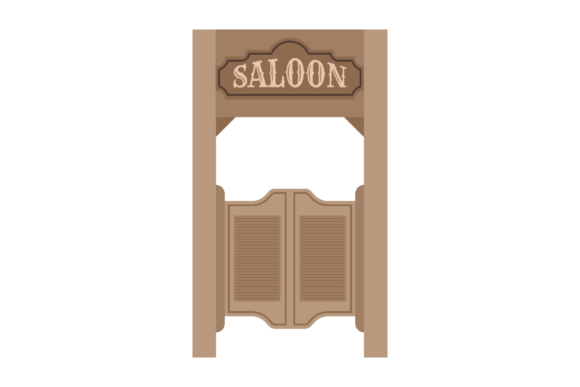
The visual personality of this design is distinct. It features classic swinging saloon doors paired with a vintage “Saloon” sign. The mood it creates is instantly nostalgic, evoking images of dusty trails, lively taverns, and rugged individualism. For an embroidery project, this level of detail is a double-edged sword. While the illustration is detailed, embroidery has limitations. The challenge lies in translating those fine lines and specific shapes into thread without losing the essence of the original artwork. My goal here is to evaluate whether this embroidery file holds up under the needle or if it becomes a muddy mess of overlapping stitches.
First Impressions and Visual Mood
The first thing you notice about Saloon Doors Clipart is its strong thematic identity. It screams "Western" without being overly cliché, provided the execution is clean. The layout suggests a central focal point, which makes it ideal for chest placements on custom apparel or centered designs on tote bags. However, the intricate nature of the door panels and the signage requires a critical eye. In the digital realm, a thin line looks elegant. On fabric, that same line can disappear if the stitch density is too low or if the thread color lacks sufficient contrast against the base material.
This design feels best suited for projects that lean into heritage, rustic aesthetics, or playful novelty. It fits naturally into a cowboy bar theme or a Wild West party decor setup. But as a professional reviewer, I am less interested in where it *could* go and more interested in where it *should* go. The visual weight of the doors suggests a medium-to-large format. Attempting to shrink this down to a tiny logo size might result in a loss of definition that frustrates both the maker and the end-user.
Real-World Application: From Screen to Stitch
Let’s talk about practical use. Imagine you are preparing a batch of handmade product inventory for an upcoming craft fair or Etsy listing. You have selected Saloon Doors Clipart for a series of denim jackets and canvas totes. Here is how the design performs in these real-life scenarios.
- Tote Bag Design: Canvas is forgiving, but the texture can eat away at fine details. If you use this as a tote bag design, ensure you are using a cut-away stabilizer to prevent puckering. The vertical lines of the doors work well on the structured surface of a tote, creating a sense of height and stability.
- Sweatshirt Embroidery: Fleece and cotton blends present a different challenge. The pile of the fabric can obscure the satin stitch edges of the door frames. I recommend testing this on scrap fleece first. If the threads sink into the fabric, you may need to adjust your tension or use a higher loft stabilizer underneath.
- Embroidered Patch: This design translates beautifully into a patch. The defined borders of the saloon doors allow for a clean edge trim. A patch made from this design assets pack could serve as a badge of honor for a boutique brand or a fun accessory on a backpack.
For Etsy seller accounts looking to diversify their catalog, this theme offers a niche appeal. It works exceptionally well for personalized gifts, such as a custom apron for a husband who loves BBQ and western movies, or a baby onesie for a family planning a cowboy-themed nursery. The versatility of the digital embroidery file allows it to bridge the gap between serious western wear and lighthearted novelty items.
Where Caution Is Required
No design is perfect for every application, and Saloon Doors Clipart is no exception. There are specific situations where this design should be used carefully, or perhaps avoided altogether.
- Small Hoop Sizes: Avoid attempting this design in hoops smaller than 4x4 inches. The detail in the “Saloon” sign and the door hinges will likely merge into an indistinguishable blob. Keep the scale generous to maintain clarity.
- Textured and Stretchy Fabrics: While denim is sturdy, highly textured fabrics like heavy tweed or stretchy spandex blends can distort the geometry of the doors. The swing of the doors might look uneven if the fabric stretches during stitching. Use a water-soluble topping or tear-away stabilizer appropriately to manage these surfaces.
- Dark Fabric Backgrounds: If you plan to embroider this on black or navy fabric, pay close attention to your thread colors. Light-colored threads may get lost in the weave of dark fabrics unless you use a high-density fill. Conversely, dark threads on light fabric require careful digitizing to ensure the shadows of the doors pop.
- Curved Surfaces: Applying this to caps or hats requires advanced techniques. The flat nature of the saloon doors may not follow the curve of a cap front seamlessly. It is better suited for flat panels or large pillow covers where the surface remains relatively stable.
Technical Notes for the Discerning Designer
Before committing to a full production run, there are several technical steps any experienced embroiderer should take. First, always test the design on scrap fabric that matches the final product in weight and texture. This simple step can save hours of rework and wasted materials.
Second, inspect the small details closely. Look at the transition between the fill stitch areas and the running stitch outlines. Are there any gaps where the background fabric shows through unnecessarily? Is the stitch density balanced so that the design doesn’t feel stiff or bulky after washing?
Third, consider the thread colors you have available. Do they match the vintage aesthetic of the clip art? Sometimes, the default color palette in software doesn’t capture the warm, aged tones of a true western saloon. You may need to manually select earthy browns, faded reds, and creamy whites to achieve the desired look.
Finally, confirm your licensing terms. If you intend to sell finished products featuring this embroidery project, ensure you have the commercial rights. Many clip art licenses restrict direct resale of the digital file but allow for physical goods. Understanding these distinctions protects your craft business and maintains trust with your customers.
Final Verdict
Saloon Doors Clipart is a strong contender for designers looking to add character to their western-themed collections. It offers a clear, recognizable subject that resonates with a specific audience. When executed with proper stabilizers, correct thread choices, and appropriate scaling, it transforms from a simple graphic into a compelling finished product.
It is particularly effective for holiday embroidery projects, wedding favors for rustic celebrations, and branding elements for small shops. By respecting the limitations of the medium and focusing on quality execution, this design can elevate your offerings and engage buyers who appreciate the handmade touch. Just remember: the magic happens in the preparation, not just the stitching.