Standing Horse Silhouette Review
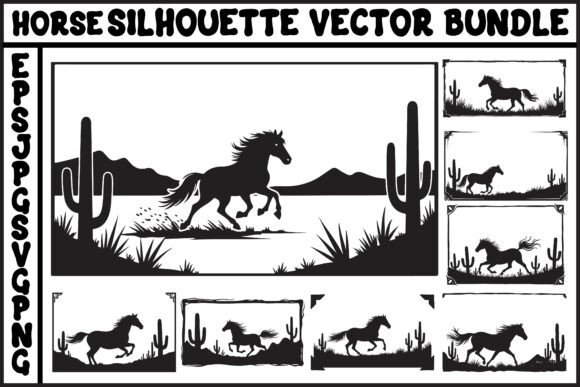
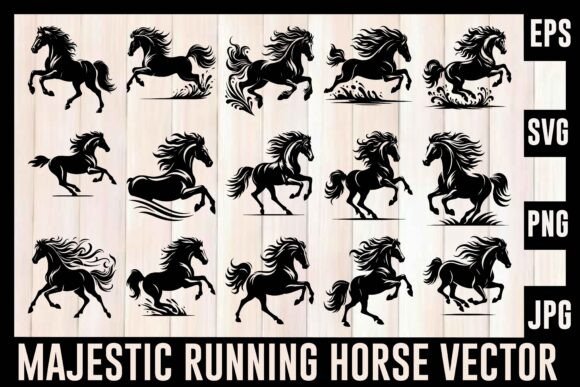
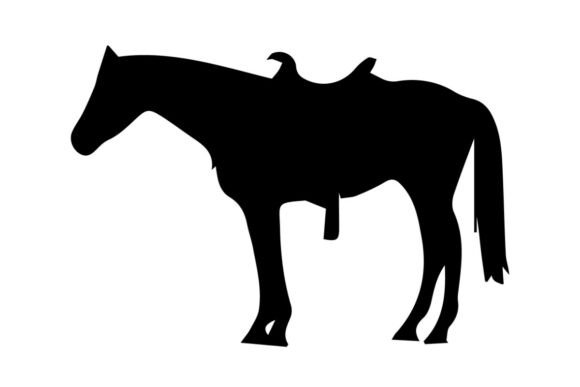
As a designer who spends half my life staring at stitch charts and the other half arguing with embroidery machines, I approach every new file with a healthy dose of skepticism. We have all seen designs that look perfect on screen but turn into a tangled mess once the needle starts moving. Today, I am evaluating the Standing Horse Silhouette, a graphic categorized under Crafts and Graphics. It presents as a solid black and white silhouette of a saddled horse standing. The detailed design is a classic symbol of the Wild West, ranch life, and cowboys. It s perfect for logos, posters, and a variety of Wes (Western-themed) applications. But does it hold up when translated from pixels to thread? Let’s break down how this machine embroidery design performs in real-world scenarios.
The First Impression: Mood and Visual Weight
When you first load the Standing Horse Silhouette into your digitizing software, the immediate takeaway is its boldness. There are no subtle gradients or delicate lace-like details here; this is a statement piece. The silhouette captures the essence of Western culture without needing excessive ornamentation. For a designer, this is both a blessing and a challenge. The "blessing" is that the shape is instantly recognizable. A customer scrolling through an Etsy shop or walking past a craft fair booth will understand exactly what they are looking at within seconds. The "challenge" is ensuring that the simplicity doesn’t translate to laziness in execution.
The visual personality of this design leans heavily toward rugged authenticity. It feels grounded and sturdy. When I imagine this on a product, I don’t see it as a delicate accent; I see it as the focal point. This makes it ideal for custom apparel where you want the garment to carry a strong thematic identity. Whether it is a vintage-wash t-shirt or a structured canvas tote, the silhouette commands attention. It creates a mood of nostalgia and tradition, tapping into the romanticized imagery of ranch life. This emotional connection is crucial for handmade products because buyers are often purchasing the story behind the item, not just the fabric.
Real-World Application: From Screen to Stitch
I recently tested this concept by imagining a custom order for a client who runs a boutique outdoor gear shop. They wanted a line of branded merchandise that felt authentic to their brand values. The Standing Horse Silhouette was proposed for a heavy-duty canvas tote bag. Here is how I analyzed the viability:
- Contrast and Clarity: Since the design is described as a solid black and white silhouette, it relies entirely on contrast. On a dark canvas bag, using a white thread would create a striking, high-impact look. However, if the background fabric has a heavy texture or a heathered mix, the clean lines of the silhouette might get lost. In this case, I would advise using a dense fill stitch to ensure the white stands out against the busy background.
- Hoop Size Constraints: A full-body horse can be tall. If the client’s budget required a smaller hoop size to save on time and materials, the proportions might feel cramped. The horse needs enough vertical space to breathe. If the design is too small, the saddle details and the legs might merge into a single blob. I recommend checking the maximum height of the design before committing to a small cap or baby onesie project.
- Stitch Density: As a silhouette, this design likely uses a lot of fill stitches. High density is good for durability, especially on items like aprons or workwear that will undergo frequent washing. However, overly dense stitching on thin fabrics can cause puckering. For a tote bag design, which is usually made of sturdy material, this shouldn't be an issue. But for a lightweight sweatshirt, you might need a tear-away stabilizer to keep the fabric flat.
Beyond totes, this embroidery file shines in the realm of personalized gifts. Imagine a leather patch for a cowboy hat or a vest. The stark contrast of the silhouette works beautifully on textured surfaces like denim or leather. It also translates well to digital assets. If you are an Etsy seller creating printable mockups, this simple graphic allows you to showcase the design on various backgrounds without visual clutter. It serves as excellent design assets for branding, offering a versatile logo mark that can be scaled down to a tiny chest pocket logo or blown up for a large back print.
Where to Use Caution
No design is universal, and the Standing Horse Silhouette has specific limitations that a professional reviewer must highlight. You should avoid placing this design on highly stretchy fabrics like spandex blends unless you use a very stable stabilizer, as the tension of the stitches could distort the fabric over time. Similarly, while the silhouette is simple, the "saddled" aspect implies some level of detail. If you attempt to digitize this for a very small area, such as a cuff or a tiny decorative accent, those details may become indistinguishable.
Another critical consideration is the color palette. The description mentions "solid black and white." In embroidery, pure white thread on a white fabric is invisible, and pure black on black is equally so. This design requires a contrasting background. It is not suitable for monochromatic projects unless you are using different thread textures (like a matte black on a glossy black) to create depth. Also, be mindful of curved surfaces. While a cap brim is flat, the front panel is curved. A large, rigid silhouette might not lay flat on a curved surface without careful underlay stitching. Always test on a sample of the actual product before running a bulk order.
Practical Designer Notes for Execution
To get the best result from the Standing Horse Silhouette, follow these practical steps. First, always test the design on scrap fabric that matches the weight and texture of your final product. This helps you gauge the stitch density and identify any potential pulling issues. Second, inspect the small details. Even in a silhouette, the outline of the saddle and the horse’s head needs to be crisp. If the digitization is poor, these areas may look fuzzy or broken. Third, confirm the licensing terms. If you plan to sell finished items, ensure you have commercial rights. Many digital embroidery files come with restrictions that prohibit resale. Finally, consider the end-user experience. Will the finished product be comfortable? A large, dense patch on the back of a sweatshirt can be scratchy. Positioning the design on a tote bag or an apron often provides a better balance between visual impact and wearability.
In conclusion, the Standing Horse Silhouette is a strong candidate for designers looking to add a touch of Western charm to their portfolio. It offers high recognition value and fits seamlessly into the craft business ecosystem, from small shop products to commercial embroidery projects. By paying attention to fabric choice, hoop size, and stitch quality, you can transform this simple graphic into a premium finished product that customers will love. It is a timeless symbol that, when executed well, speaks volumes about quality and style.