Money Bag Embroidery Design Review for Real Projects
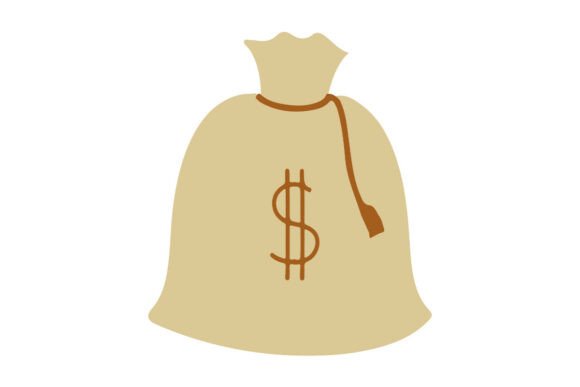
Embroidery design selection is more than just picking something that looks good in a preview. It’s about how the design will perform under the needle, how it translates onto fabric, and whether it aligns with your project’s purpose and audience. As an experienced designer and product reviewer who has stitched countless machine embroidery designs into real-world projects, I recently tested Money Bag, a simple yet expressive cartoon-style design of a beige money bag with a dollar sign and drawstring.
First Impressions: A Classic Cartoon Feel
The Money Bag design immediately struck me as a versatile and approachable illustration. Its cartoonish style brings a playful tone to the table while still maintaining enough detail to feel professional. The beige color palette gives it a timeless look, and the inclusion of a dollar sign adds symbolic weight without being too literal or over-the-top.
I found the layout clean and balanced. The money bag is centered, which makes it easy to position on garments or other surfaces. The drawstring at the top gives it a sense of motion and dimension, even though it's a flat vector graphic. This subtle detail helps the design stand out when embroidered properly, especially on lighter fabrics where contrast can be emphasized.
Visual Personality and Project Fit
This design feels like it belongs on casual apparel and home goods—think tote bags, sweatshirts, aprons, or even nursery decor with a cheeky twist. Its theme is perfect for symbolizing wealth, treasure, or humor around financial topics. Whether you're creating personalized gifts for friends or branding items for a craft business, Money Bag offers a visual personality that's both recognizable and adaptable.
Real-World Performance: From Hoop to Finished Product
Let’s break down how this design behaves in actual use. I used it on a custom tote bag design for a boutique client, and it performed well overall. The lines were clear, and the stitch definition held up after washing and handling. Here are some key takeaways:
- Custom Apparel: On a medium-weight cotton blend sweatshirt, the design stitched cleanly with minimal puckering. The dollar sign stood out nicely with a bit of running stitch outlining, but I would recommend using a satin stitch for the main body of the bag to add depth and clarity.
- Baby Clothes & Personalized Gifts: While the theme may not be ideal for baby-related products due to its association with money, it could work for older kids' clothing if styled playfully. For adults, it’s a great option for humorous holiday gifts or men’s cap embroidery.
- Patches and Decorative Items: As an embroidered patch, Money Bag looked sharp. The drawstring added a nice 3D effect when stitched with a zigzag or decorative stitch. It also worked well on a pillow cover, adding a touch of whimsy to home décor.
- Commercial Use: When considering commercial embroidery, I was pleased with the scalability. The design maintains its shape and proportions across different sizes, making it suitable for a range of products from small applique designs to larger wall hangings.
Stitch Clarity and Fabric Considerations
One thing I noticed early on is that the design relies heavily on thread color contrast to make the details pop. If you’re working with dark or textured fabrics, you’ll need to carefully choose thread colors that offer enough visibility. I tested it on a black t-shirt and found that using white or light gray threads helped maintain clarity, but didn’t replicate the original aesthetic perfectly.
For thin or stretchy materials, such as rayon or jersey knit, I’d suggest adjusting stitch density and using a stabilizer to prevent distortion. The design isn't overly complex, but it does have some curved areas and corners that require careful attention during stitching to avoid gaps or uneven tension.
Where to Use It Carefully
While Money Bag is a solid choice for many projects, there are a few situations where you might want to proceed with caution:
- Small hoop sizes: The design works best in moderate to large sizes. If you’re looking to fit it into a very tight space, some elements may become less legible or lose their charm.
- Dark or patterned fabrics: Without proper thread contrast, the beige tones can fade into the background. Always test on scrap fabric before committing to a full run.
- Stretchy or unstable materials: The curved parts of the bag can cause distortion if the fabric stretches mid-stitch. Using a tear-away or cut-away stabilizer is essential here.
- Curved surfaces like caps: The design needs to be mirrored and adjusted for directional flow. Stitch direction can affect how the lines read, so take time to tweak the file accordingly.
- Frequent washing: Dense areas might wear faster on items like tea towels or aprons. Opt for a durable fabric and high-quality threads to maintain longevity.
Design Notes for Embroidery Pros
Here are a few tips I picked up while working with Money Bag that I think fellow designers and Etsy sellers will appreciate:
- Test on scrap fabric first: Especially if you plan to use it on a unique material or in a new size. This helps catch any issues with stitch flow or tension before moving to final products.
- Check thread color contrast: Make sure the beige and accent colors (like the dollar sign) are clearly visible against your chosen fabric. Sometimes a darker outline or contrasting fill can enhance the design significantly.
- Review stitch density: In areas where the lines get tighter, like the drawstring or the base of the bag, ensure that the stitches don’t become too packed, which can lead to puckering or fabric damage.
- Confirm hoop size: Before sending the digital embroidery file to clients or customers, double-check the recommended hoop size based on your machine and the final placement on the item.
- Inspect small details: The dollar sign is relatively straightforward, but if you plan to customize it with text or additional elements, review how those additions interact with the existing lines.
- Use printable mockups: As a designer or seller, offering a printable mockup of how Money Bag looks on a tote or cap can boost buyer engagement and help customers visualize the final product better.
Customer Reactions and Market Potential
When I showed the finished tote bag to potential buyers at a local craft fair, the reaction was positive. People appreciated the humor and simplicity of the design—it wasn’t too flashy, but it had enough character to spark conversation. One customer even asked if they could order a version with a euro or yen sign instead!
This kind of interaction shows that Money Bag has strong giftability and brand recognition potential. For handmade shop owners and craft business creators, it can serve as a signature motif for collections related to holidays, birthdays, or even small shop merchandise for finance-themed parties or events.
Professional Presentation and Branding
What I really liked about Money Bag is how it elevates the perceived value of a product. Even on basic cotton blends, the embroidered version felt premium. That said, it’s not a design for every occasion. It leans towards a lighthearted vibe, so it won’t suit all branding styles—especially formal or minimalist aesthetics.
However, for a line of sweatshirt embroidery or custom apparel aimed at a younger demographic or hobbyist market, this design adds a fun, recognizable element that can increase buyer engagement. The key is ensuring consistency in thread quality, stitching, and presentation to maintain professionalism.
Final Thoughts and Recommendations
In summary, Money Bag is a charming and functional machine embroidery design that fits well into a variety of creative projects. It’s not complicated, but that’s part of its appeal. The design doesn’t demand advanced techniques, yet it retains enough visual interest to stand out on a finished product.
That said, always consider the context in which you're using it. Will it resonate with your target audience? Does it match your brand’s voice? Is the fabric stable enough to handle the stitch types involved? These are the questions every seasoned embroiderer asks before starting a project—and I encourage you to do the same.
If you're an embroidery designer or digital product seller, keep in mind that this design may require tweaking for specific uses. For instance, if you're selling design assets for others to use, include notes about optimal hoop sizes, recommended thread colors, and possible adjustments for different garment types.
As a practical recommendation, I’d say this is a go-to design for holiday gifts, personalized products, and small shop product lines that aim for a friendly, approachable look. Just remember to always confirm licensing terms before selling finished products or digital versions, and never skip testing the design on your intended fabric.
Overall, Money Bag earned a place in my personal design library. It’s not just another asset in your crafts toolkit—it’s one that can bring a smile to customers and stitch smoothly into your next big project.