Lucky Horseshoe Embroidery Design Review
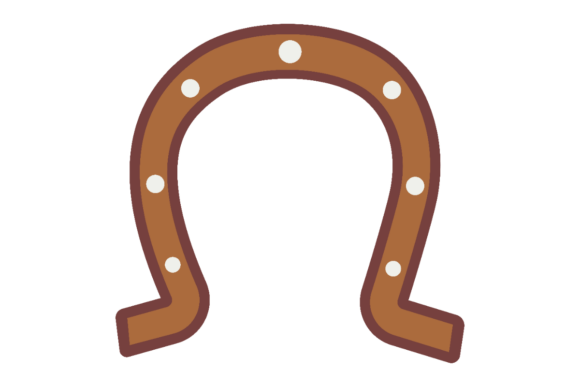
As a designer who spends half my life staring at digitized files and the other half troubleshooting tension issues on the sewing machine, I don’t just look for "pretty" images. I look for viability. When a new file lands in my inbox, I am immediately thinking about stitch paths, fabric distortion, and whether a customer will actually wear or display the finished piece. Recently, I pulled Lucky Horseshoe from the Crafts and Graphics category to evaluate its potential for real-world application. It is described as a bold and charming black and white illustration of a classic U-shaped horseshoe, ideal for western-themed crafts, good luck designs, or rustic signage. But does it hold up under the needle? Here is my practical breakdown.
First Impressions: Mood and Visual Weight
The moment you import this machine embroidery design, the first thing that strikes me is its graphic simplicity. In an industry often cluttered with overly complex florals or tiny, intricate script, there is something refreshing about a clean, high-contrast silhouette. The black and white palette suggests versatility, but it also demands precision. Because there are no subtle color gradients to hide behind, the quality of the stitching becomes the primary focus.
The mood is undeniably rustic yet modern. It feels like something you would see on a boutique brand’s hangtag or the front pocket of a denim jacket. It carries a sense of optimism—good luck, fortune, tradition—but without being cliché. For Etsy sellers and small business owners, this kind of recognizable iconography is gold. It communicates a theme instantly. A customer scrolling through a shop doesn’t need to read a description to understand that this is a western, farmhouse, or lucky charm product. That immediate recognition can significantly boost buyer engagement.
Real-World Application: Where This Design Shines
I ran mental simulations of using Lucky Horseshoe across various product categories. The results were promising for several specific use cases.
- Custom Apparel: This design works exceptionally well on sweatshirt embroidery projects. Placed on the left chest of a heather gray crewneck or centered on the back of a black hoodie, the bold lines cut through the texture of the knit fabric. It adds a streetwear edge to casual wear.
- Tote Bags and Aprons: As a tote bag design, it anchors the canvas beautifully. Whether on a natural cotton canvas or a heavy-duty jute blend, the horseshoe shape provides a focal point that balances the utilitarian nature of the item. Similarly, on a kitchen apron, it fits the "rustic home" aesthetic perfectly.
- Baby and Nursery Items: While often associated with rugged themes, the charm of this illustration makes it suitable for baby embroidery. Think of a onesie or a burp cloth where the contrast pops against soft pastels. It serves as a unique alternative to standard stars or moons.
- Holiday and Gift Markets: For holiday embroidery, particularly around New Year’s or St. Patrick’s Day, this design offers a sophisticated take on traditional symbols. It is also excellent for wedding favors or bridal shower gifts, where "good luck" is a meaningful sentiment.
The versatility extends to digital assets as well. If you sell printable mockups or design assets, this file allows customers to visualize how a simple graphic can elevate a plain garment. It demonstrates value without requiring expensive materials.
Technical Performance and Stitch Clarity
When evaluating any embroidery file, I always consider how the stitches interact with the fabric. Lucky Horseshoe relies heavily on strong outlines, likely utilizing satin stitch for the perimeter and potentially fill stitch or running stitch for internal details if present. This structure is generally forgiving, meaning it is less prone to the puckering issues that plague dense, all-over fill designs.
However, the success of this project hinges on thread selection. Because the source is a black and white illustration, you have creative freedom. Using a metallic silver thread on a dark navy fabric could create a striking, luxurious look. Alternatively, using crisp white thread on a denim background leans into the classic Americana vibe. The key is ensuring high contrast between the thread colors and the base fabric. Low contrast will make the design disappear, regardless of how good the digitization is.
For those interested in variation, this graphic could easily be adapted into an applique design. Imagine cutting the horseshoe shape out of leather or felt and stitching it down with a blanket stitch. This technique adds dimension and durability, making it an ideal choice for an embroidered patch meant to be sewn onto backpacks or caps.
Cautionary Notes: Where to Be Careful
No design is perfect for every situation. There are specific scenarios where Lucky Horseshoe might struggle, and experienced makers should proceed with caution.
- Small Hoop Sizes: If you attempt to stitch this on a very small hoop (under 4x4 inches), you risk losing definition. The curves of the horseshoe may become jagged or pixelated if the resolution isn't high enough. Always check the recommended hoop size before committing to a small product like a hat brim or a child’s sock.
- Textured and Stretchy Fabrics: While sturdy fabrics like denim and canvas are safe, thin or highly stretchy knits can distort the shape. Without proper support, the U-shape might warp during stitching. Always use a stabilizer appropriate for the fabric weight.
- Dense Stitch Areas: If the design includes thick fill stitches in the center, it may feel stiff after washing. For items that need to remain soft, like baby blankets or lightweight tees, ensure the stitch density is optimized. Too much thread can make the fabric rigid and uncomfortable.
- Curved Surfaces: Stitching on curved surfaces like baseball caps requires a cap frame and careful hooping. The flat nature of the horseshoe graphic might not follow the curve of the cap naturally unless digitized specifically for curvature.
Practical Designer Notes for Production
Before adding this to your commercial inventory or personal collection, here are my essential steps for testing:
- Test on Scrap Fabric: Never run a new design directly onto your final product. Use scraps of the exact fabric you plan to sell. This reveals how the fabric texture interacts with the thread.
- Check Stabilizer Choice: Depending on whether you are using woven or knit fabric, you may need cut-away or tear-away stabilizer. The wrong choice can lead to unsightly marks on the finished product.
- Review Small Details: Zoom in on the digital preview. Are there tiny corners that might get lost in the stitching? Are the lines too thin to maintain integrity after multiple washes?
- Mockup Testing: Create a digital embroidery file mockup in black and white to see how it looks against different backgrounds. Then, test it in color to ensure the thread choices enhance the visual appeal.
- Confirm Licensing: If you are selling finished items, double-check the license terms. Some graphics are for personal use only. Ensure you have the right to sell the finished product to avoid legal issues.
Final Verdict
Lucky Horseshoe is a solid, versatile addition to any embroiderer’s library. It bridges the gap between traditional western motifs and contemporary minimalist design. It is robust enough for heavy-duty workwear yet charming enough for delicate nursery items. By paying attention to fabric choice, stabilizer support, and thread contrast, you can transform this simple graphic into a high-value handmade product. For craft business owners looking to expand their catalog with reliable, crowd-pleasing designs, this file delivers both aesthetic appeal and practical functionality.