Desert Dreams Cactus Shadow Art Review
As a designer who spends more time staring at stitch charts than actual sunsets, I have developed a fairly strict filter for new design assets. The market is flooded with generic clipart that looks fine on a screen but falls apart under the needle. That is why I approach every new download with a healthy dose of skepticism. Recently, Desert Dreams Cactus Shadow Art landed in my queue, and it immediately caught my attention not just for its aesthetic, but for its potential utility in real-world commercial projects. This review breaks down how this graphic translates from a digital file into a tangible, sellable embroidery product.
First Impressions and Visual Personality
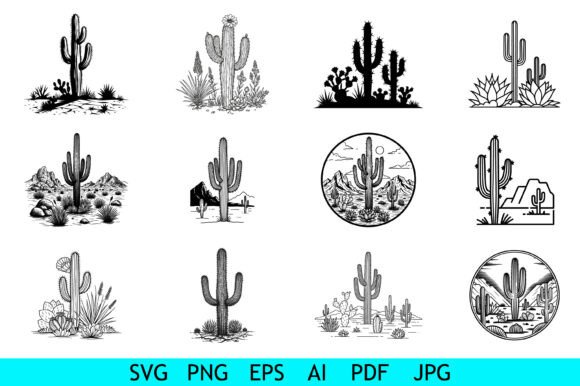
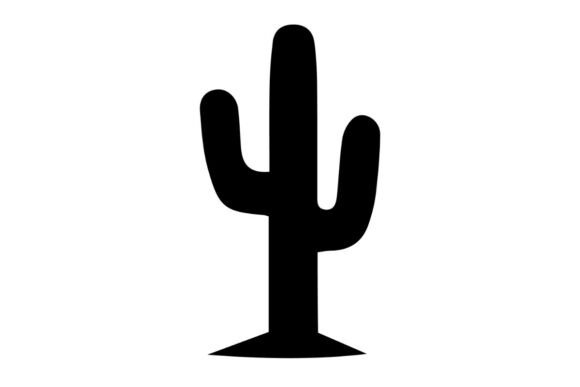
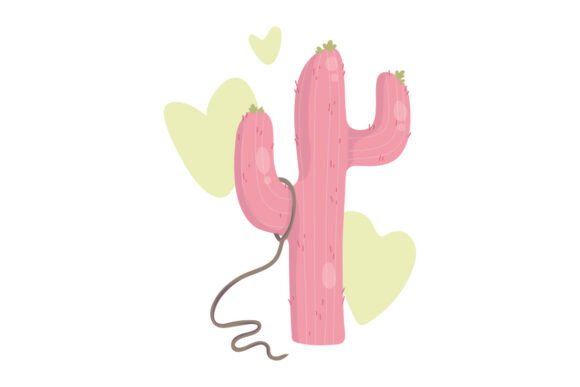
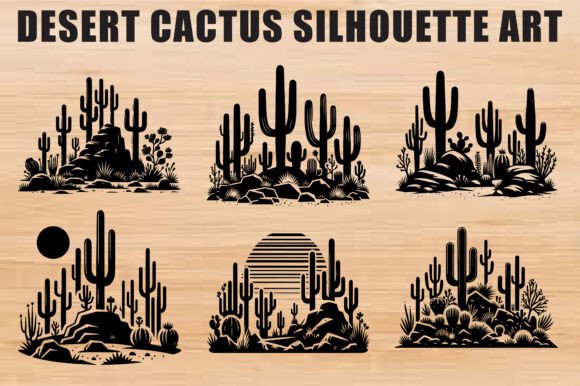
The name suggests a specific mood, and the visual execution delivers. Desert Dreams Cactus Shadow Art carries a versatile, creative feel that works across multiple types of products and platforms. From a design perspective, the interplay between the cactus silhouette and its shadow creates depth without relying on complex color gradients, which is crucial for embroidery. In machine work, you are limited by thread thickness and the physical constraints of the fabric. A design that relies on subtle shading can look muddy or lose definition if the stitch density is too high. Here, the shadow acts as a solid shape, providing excellent contrast against the main subject.
The layout feels balanced and modern. It does not scream for attention like a loud, multi-colored cartoon character; instead, it offers a sophisticated, minimalist vibe. This makes it highly attractive to the current demographic of handmade shoppers who prefer understated elegance over novelty. For an Etsy seller or small shop owner, this distinction is vital. You are not just selling a cactus; you are selling a lifestyle aesthetic that fits into bohemian, southwestern, or modern farmhouse decor themes.
Real-World Application: The Custom Tote Scenario
To truly test a design, you have to imagine it on a finished product. Let’s look at a practical scenario: preparing a custom embroidered tote bag for a boutique client. Tote bags are a staple in the craft business, but they present unique challenges. The canvas texture can distort fine lines, and the bag moves around in the hoop during stitching.
If I were placing Desert Dreams Cactus Shadow Art on a heavy-duty cotton canvas tote, the bold shadow element would anchor the design beautifully. The negative space created by the shadow allows the eye to rest, preventing the embroidery from looking cluttered. However, placement matters. Centering it might look too static. Placing it slightly off-center, perhaps near the strap attachment, could create a dynamic, asymmetrical look that feels curated rather than mass-produced. The versatility of this graphic means it could also transition seamlessly to a sweatshirt embroidery project for fall collections or even a baby embroidery piece for nursery wall hangings, provided the scale is adjusted correctly.
Product Versatility Across Categories
This design asset is not limited to one type of merchandise. Its clean lines make it suitable for:
- Custom Apparel: Lightweight t-shirts where breathability and drape are important.
- Kitchen Textiles: Tea towels or aprons where the shadow adds a touch of humor and style.
- Home Decor: Pillow covers or framed embroidered art for nursery decor.
- Holiday Gifts: Personalized gifts for winter holidays, where the earthy tones complement festive palettes.
Because it functions effectively as both a standalone graphic and a component of a larger composition, it serves as a valuable addition to any designer’s library of design assets. Whether you are creating a digital embroidery file bundle or a single handmade product, this image adapts well.
Technical Considerations for Embroidery Designers
While the visual appeal is strong, the true test lies in the technical execution. Not all graphics translate equally well to stitch files. When evaluating Desert Dreams Cactus Shadow Art, several factors come into play regarding stitch density and clarity.
First, consider the stitch density. If the shadow area is filled with dense satin stitches, it may pucker thin fabrics like jersey or rayon blends. For such materials, a lighter fill stitch or a combination of running stitch and sparse satin might be necessary to maintain the fabric's drape. Conversely, on sturdy fabrics like denim or canvas, a denser fill will provide a luxurious, raised texture that enhances the tactile quality of the finished product.
Another critical aspect is the hoop size. While the design is versatile, attempting to stitch it in a very small hoop (such as 4x4 inches) requires careful scaling. If scaled too small, the distinction between the cactus and the shadow may blur, especially if using standard polyester threads. It is advisable to preview the design in black and white mockups to ensure contrast remains sharp at various sizes. Additionally, inspecting small details is essential. If the original graphic contains tiny internal cutouts, these must be verified for stability; otherwise, the fabric may tear during the unsticking process.
Where to Use Carefully
There are certain scenarios where this design should be used with caution. On textured fabrics like boucle or thick chenille, the fine lines of the cactus outline might get lost. Similarly, on stretchy fabric without proper stabilization, the tension from the satin stitch edges could cause waviness. Dark fabrics require careful selection of thread colors; a light shadow on dark fabric may lack visibility unless a contrasting underlay is used. Furthermore, applying this to curved surfaces like caps demands precise digitizing to account for the curvature, ensuring the shadow aligns naturally with the three-dimensional form.
Impact on Brand and Customer Perception
In the world of craft business and Etsy seller success, presentation is everything. A well-executed embroidery project signals professionalism and attention to detail. Using a cohesive design like Desert Dreams Cactus Shadow Art helps establish brand consistency. When customers see a series of products—perhaps matching aprons, tote bags, and pillow covers—all featuring this harmonious motif, it reinforces the identity of your shop.
Moreover, the aesthetic appeals to buyers looking for personalized gifts. The "desert dream" theme evokes feelings of calm, nature, and wanderlust. These emotional connections drive engagement and increase the perceived value of the item. A buyer is more likely to trust a maker who presents their work with artistic integrity. High-quality printable mockups that showcase the design on realistic backgrounds can further enhance this effect, allowing potential customers to visualize the embroidery project in their own homes.
Practical Designer Notes Before You Stitch
Before committing to production runs or listing items for sale, follow these best practices:
- Test on Scrap Fabric: Always run a test stitch on the exact fabric you plan to use. This reveals issues with puckering, thread breakage, or color mismatch.
- Check Thread Color Contrast: Ensure the chosen threads provide sufficient contrast against the background fabric. Low contrast can make the design look washed out.
- Review Stitch Density: Adjust the density settings in your embroidery software to suit the fabric weight. Too much density causes bulk; too little causes transparency.
- Confirm Hoop Size: Verify that the final design dimensions fit comfortably within your machine’s hoop limits, leaving adequate margin for clamping.
- Inspect Small Details: Zoom in on the digital file to check for jagged edges or overly thin lines that may not hold up during stitching.
- Use Proper Stabilizer: Select a stabilizer (cut-away, tear-away, or water-soluble) appropriate for the fabric type to prevent distortion.
- Verify Licensing: Confirm whether the license allows for commercial use of the finished product. Some designs permit personal use only, while others allow full commercial rights for resale.
Ultimately, Desert Dreams Cactus Shadow Art is a robust choice for designers seeking a blend of aesthetic appeal and functional reliability. Its ability to convey mood through simple shapes makes it an excellent candidate for a wide range of embroidery projects. By paying attention to technical details and thoughtful application, you can transform this digital graphic into a compelling handmade product that resonates with customers and elevates your brand.