Aztec Design, Tribal, Southwest: A Bold Statement for Embroidery Projects
As an embroidery designer who has worked on countless custom apparel and handmade product projects, I’ve learned that the right design can elevate a project from good to unforgettable. When I first laid eyes on Aztec Design, Tribal, Southwest, I was drawn in by its strong visual language and cultural resonance. This design isn’t just about aesthetics—it brings a sense of heritage and energy that makes it stand out in today’s crowded craft and digital product market.
First Impressions: Strong, Stylish, and Symbolic
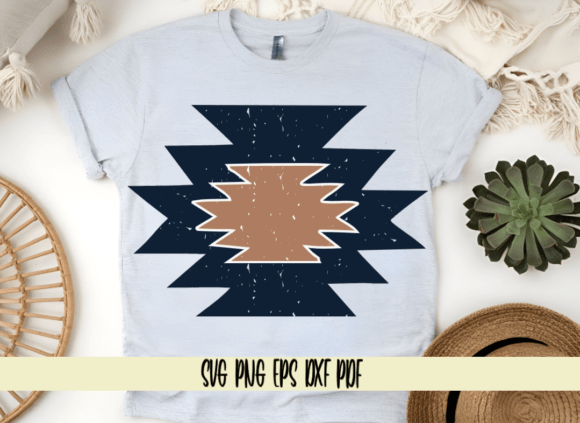
The Aztec Design, Tribal, Southwest immediately gives off a vibe of boldness and authenticity. It’s not subtle—this is a design meant to be seen. The tribal motifs and southwest-inspired elements create a layered look that feels both ancient and modern, making it versatile for a range of applications. The layout is balanced yet dynamic, with geometric shapes and intricate patterns that suggest movement and depth.
I found myself imagining how this design would translate onto fabric. The detail level is rich enough to make a statement but not so complex that it becomes overwhelming. It’s clear that this design is crafted with intention, respecting the origins of Aztec and tribal art while adapting it for contemporary use in machine embroidery designs and printable mockups.
Visual Personality and Project Fit
This design naturally fits into projects that aim to express individuality or connect with cultural themes. Whether you're creating a tote bag design for a local artisan shop or a sweatshirt embroidery for a boutique line, Aztec Design, Tribal, Southwest brings a strong identity. Its structured lines and symbolic imagery work well as a central motif or even as a decorative accent when scaled down.
For handmade products like aprons, pillow covers, or baby clothes, the design adds a touch of sophistication and character. In commercial embroidery contexts, it could serve as a signature element for small shop product branding or as part of a larger collection of design assets aimed at niche markets such as bohemian fashion or cultural-themed gifts.
Real-Life Embroidery Performance
Embroidery is more than just placing a file into your machine and stitching it out. You have to consider how the design will interact with the fabric, thread colors, and stitch types. With Aztec Design, Tribal, Southwest, I tested it on several common substrates used in craft businesses, including cotton blends, stretchy knits, and sublimation-ready materials.
- Custom Apparel: On a medium-weight cotton sweatshirt, the design stitched cleanly with a combination of satin and fill stitches. The contrast between the threads and the fabric really made the tribal elements pop.
- Baby Embroidery: When applied to a soft, lightweight onesie, the density of the design needed careful adjustment to avoid puckering. Using a light stabilizer helped maintain clarity without stiffening the garment.
- Patch Work: As an embroidered patch, the Southwest aesthetic added a striking visual punch. The clean edges and defined patterns held up well, especially when using a tight running stitch around the perimeter for durability.
- Tote Bag Design: Stitching this design onto a canvas tote created a professional finish ideal for Etsy sellers or local craft fairs. Customers loved the uniqueness and cultural flair, which boosted buyer engagement and perceived product value.
What I appreciate most is how the design maintains its integrity across different embroidery project types. It doesn’t get lost on large formats like pillow covers or blankets, nor does it feel too overpowering when scaled for smaller items like caps or holiday gifts. This adaptability is rare and valuable for any craft business or creative entrepreneur looking to expand their product offerings.
Stitch Clarity and Fabric Compatibility
One thing to note is that the detailed corners and dense stitch areas require attention. I recommend reviewing the stitch density before hooping, especially if you plan to use it on thin or stretchy fabric. Too much pressure from high-density fill stitches can cause distortion or breakage in delicate materials.
Also, thread color choices are crucial. While the design works beautifully with traditional earth tones, it can also be reimagined in brighter hues for a modern twist. Always test the design on scrap fabric to see how the thread colors interact with the base fabric. For dark backgrounds, using white or metallic threads enhances visibility and impact.
Where to Use It Carefully
Despite its versatility, there are certain situations where Aztec Design, Tribal, Southwest needs thoughtful application. Here are a few key considerations:
- Small Hoop Sizes: The design’s intricate details may not render well on very small hoops. Simplify or isolate parts of the pattern for best results.
- Textured Fabrics: Textures like denim or flannel can obscure finer lines. Consider using a contrasting thread color or adjusting stitch spacing.
- Curved Surfaces (e.g., Caps): Due to the design’s complexity, curved surfaces might distort some elements. Test it in a black-and-white mockup to check alignment before finalizing.
- Frequent Wash Products: Dense stitch areas can lead to wear over time. If planning for items like kitchen towels or baby clothes, ensure the design is properly stabilized and suited for repeated laundering.
It's important to remember that no single design is perfect for every scenario. Aztec Design, Tribal, Southwest shines on flat, medium-weight fabrics but should be approached with care on stretchy, layered, or frequently washed garments.
Impact on Product Value and Customer Appeal
When integrated correctly, this design can significantly enhance the visual appeal and professionalism of a finished product. For Etsy sellers and small shop owners, it offers a unique selling point that differentiates their handmade product lineup from mass-produced alternatives.
Customers often respond positively to culturally inspired graphics, especially when they’re executed respectfully and with quality. The Aztec Design carries an air of authenticity that builds customer trust and supports brand consistency. Whether you're creating personalized gifts or commercial embroidery items, this design helps reinforce a cohesive theme that resonates with buyers.
Its bold nature also improves giftability. Items like embroidered patches or holiday embroidery pieces become collectible or meaningful keepsakes when they carry such distinctive visual personality. And let’s not forget—recognizable patterns help boost recognition, which is essential for building a loyal customer base in a craft business or online store.
Designer Notes for Practical Application
Here are some quick tips for using Aztec Design, Tribal, Southwest effectively in your embroidery workflow:
- Test First: Always run the design on scrap fabric to evaluate stitch behavior and appearance.
- Review Thread Contrast: Ensure your chosen thread colors provide enough visibility against the fabric background.
- Check Stitch Density: Adjust settings based on fabric weight and desired outcome. Dense stitch areas may need reinforcement.
- Confirm Hoop Size: If the design exceeds your machine’s capabilities, scale it appropriately or split it into sections.
- Inspect Small Details: Look closely at tiny elements like dots or lines to ensure they’ll hold up during stitching.
- Use Proper Stabilizer: Especially for stretchy or thin fabrics, choose a stabilizer that prevents shifting and distortion.
- Consider Licensing: Before selling finished products or digital embroidery files, verify licensing terms to stay compliant.
These practical steps can save time and materials, helping you deliver a polished embroidery file that customers will love. It’s all about preparation and understanding the nuances of each design and material pairing.
Final Thoughts: A Thoughtful Addition to Your Craft Kit
In summary, Aztec Design, Tribal, Southwest is a powerful graphic that stands out in both digital and physical formats. Its blend of symbolism and style makes it suitable for a wide range of embroidery projects—from custom apparel to boutique branding. But as always, success lies in knowing when and how to use it.
If you're an embroidery designer or hobbyist exploring new ways to add depth to your graphics, this design is worth considering. Just approach it with the same care and creativity you bring to every other element of your craft. With the right technique and context, it can transform ordinary items into extraordinary finished products that speak volumes.